Why fisheries management matters
Can fishing ever be sustainable?
As we mark World Fisheries Day on 21st November, we thought we’d dive into the nuances of the fishing industry and why fisheries management matters. When you advocate for greater ocean protection, it can be very easy to label all commercial fishing as “bad” – but this is too simplistic.
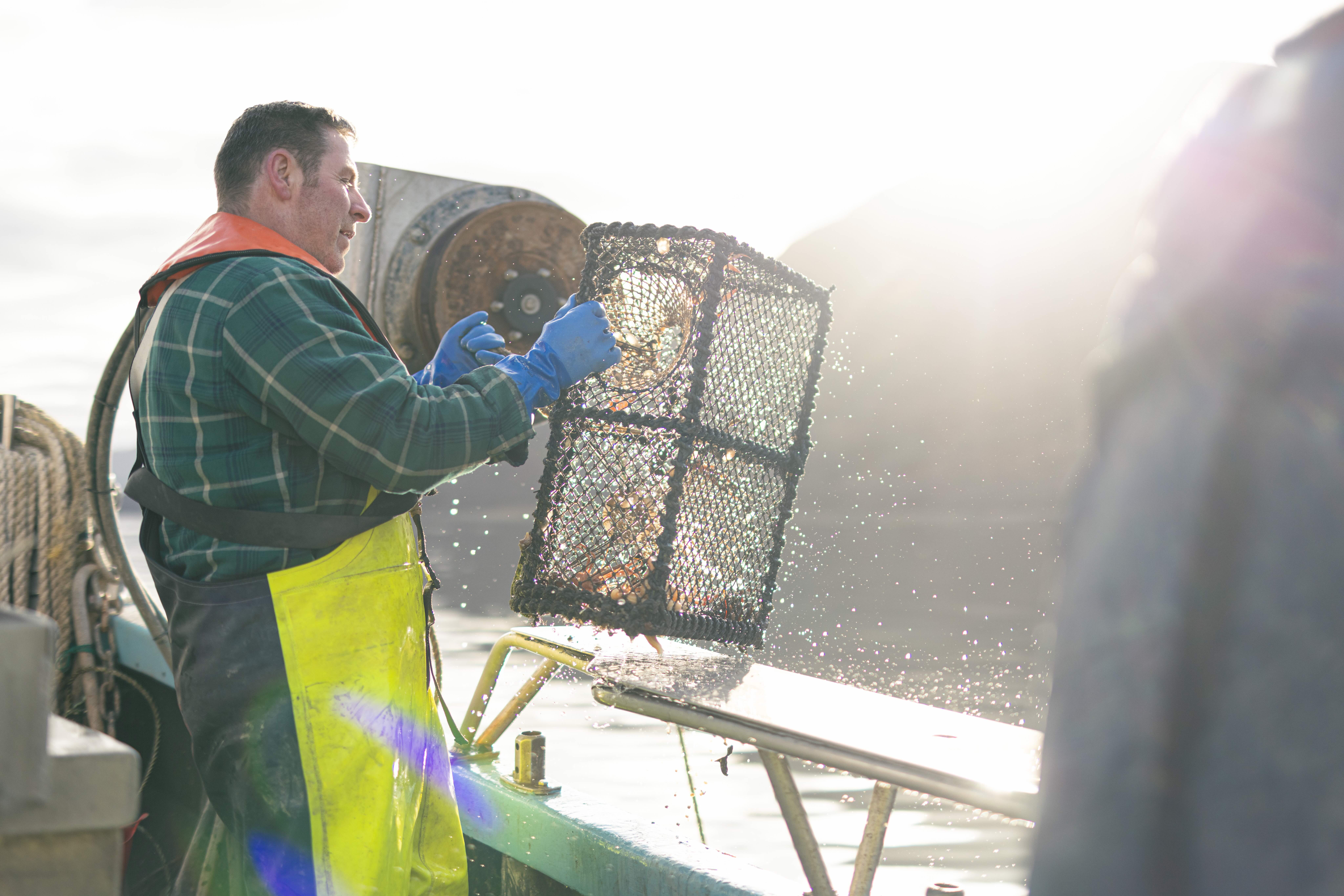
There is no doubt that fishing causes damage to the marine environment, but as Cal discovered when she spoke to Bally Philp, a creel fisherman in Northwest Scotland and chair of the Scottish Creel Fisherman’s Federation, on the Our Ocean Podcast, not all fishing practices are equal.
“Sustainble fishing has got to be measured on both the target species and on the wider ecosystem.”
Bally is known for his dedication to sustainable fishing practices and marine conservation, which is why he uses creel to fish for nephrops (or langoustine prawns as they’re also known).
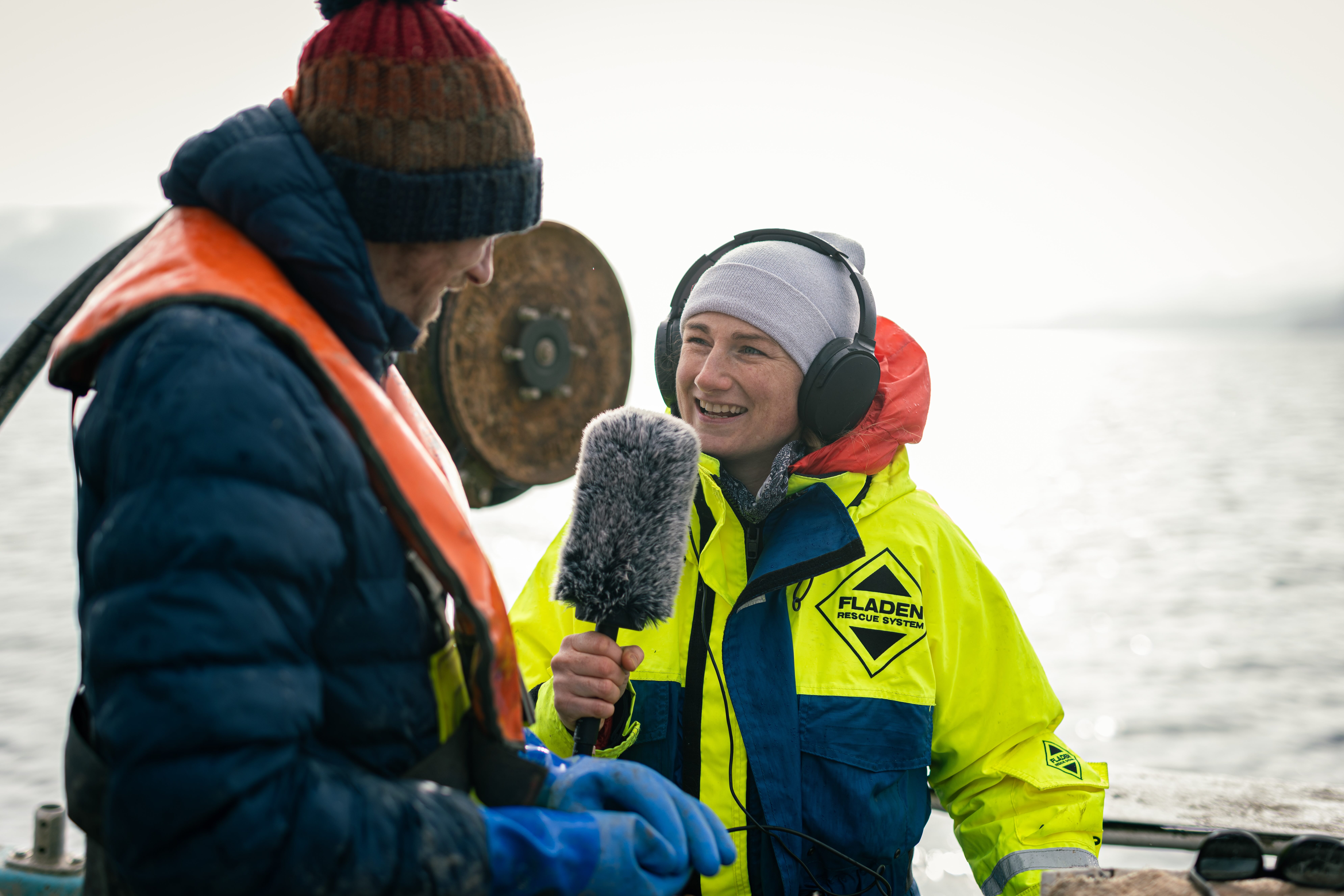
A creel is a simple baited trap. If you use the right bait and put it in the right place on the seabed, it’s a highly selective method of fishing that does little to no damage to the environment. It’s very different to trawling, which not only destroys the seabed that it’s dragged over, but also catches everything in its path, not only the species the boat is fishing for.
What’s more, Bally explained that a trawler needs to catch considerably more prawns than a creel boat, because the prawns a trawler brings in are often so damaged by the process that they can only be sold for low-value scampi.
“We’ve calculated that for a creel boat to employ two men, we need to catch roughly between 50 and 100 kilos of prawns per day. Whereas a trawler would need four times that to employ those same two men,” Bally explained.
But reducing the number of jobs available to fishermen in coastal communities isn’t the only way in which trawling is unsustainable as a fishing practice.
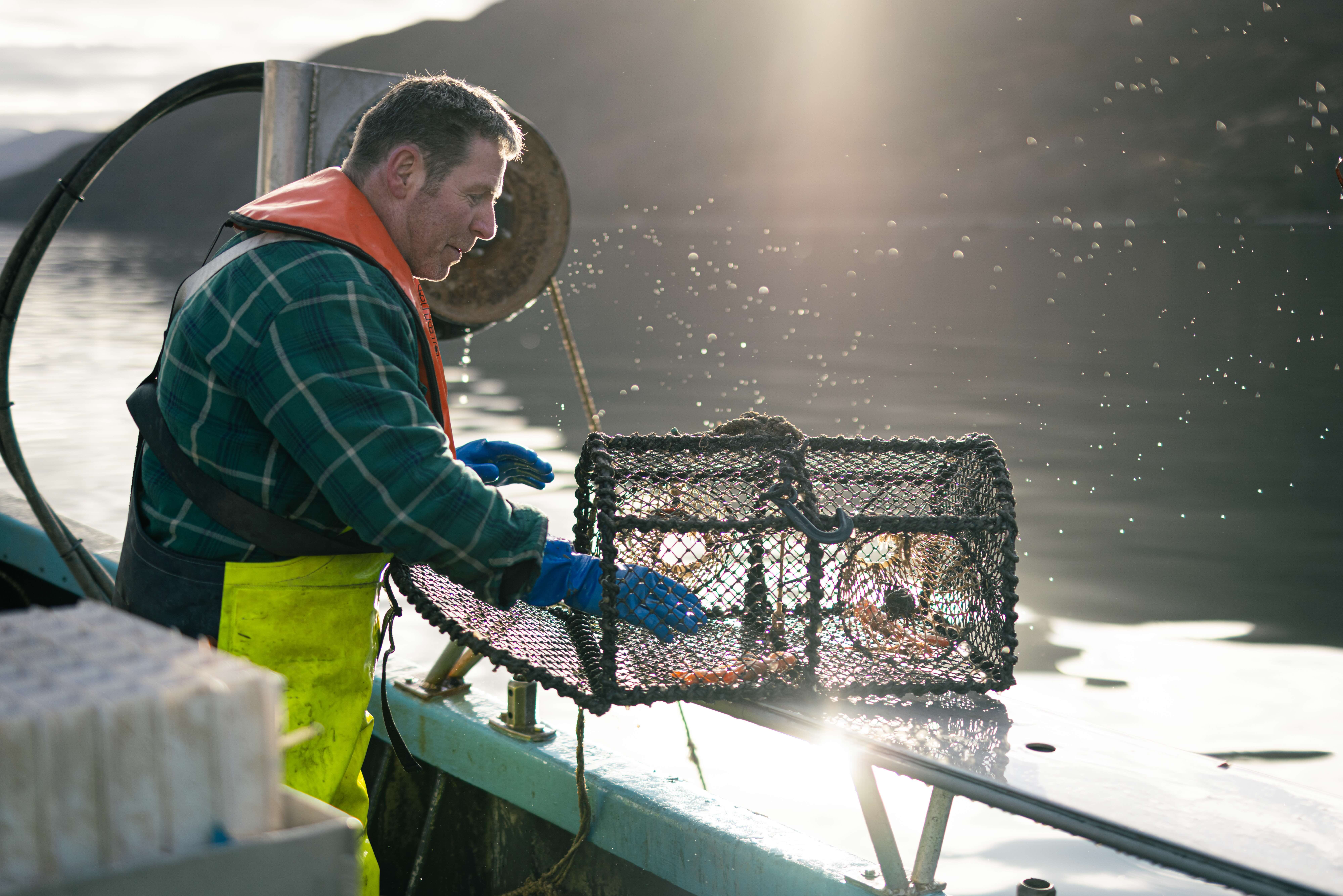
“Trawlers have a high level of impact on non-target species, like with bycatch, and on the seabed as well, so the environment can often be degraded. The consequences for coastal communities are that we’re foregoing jobs, we’re foregoing revenues and we’re sacrificing much of the marine environment to facilitate trawling when we could create more jobs, more revenue and have less environmental impact if we caught those same animals creeling.”
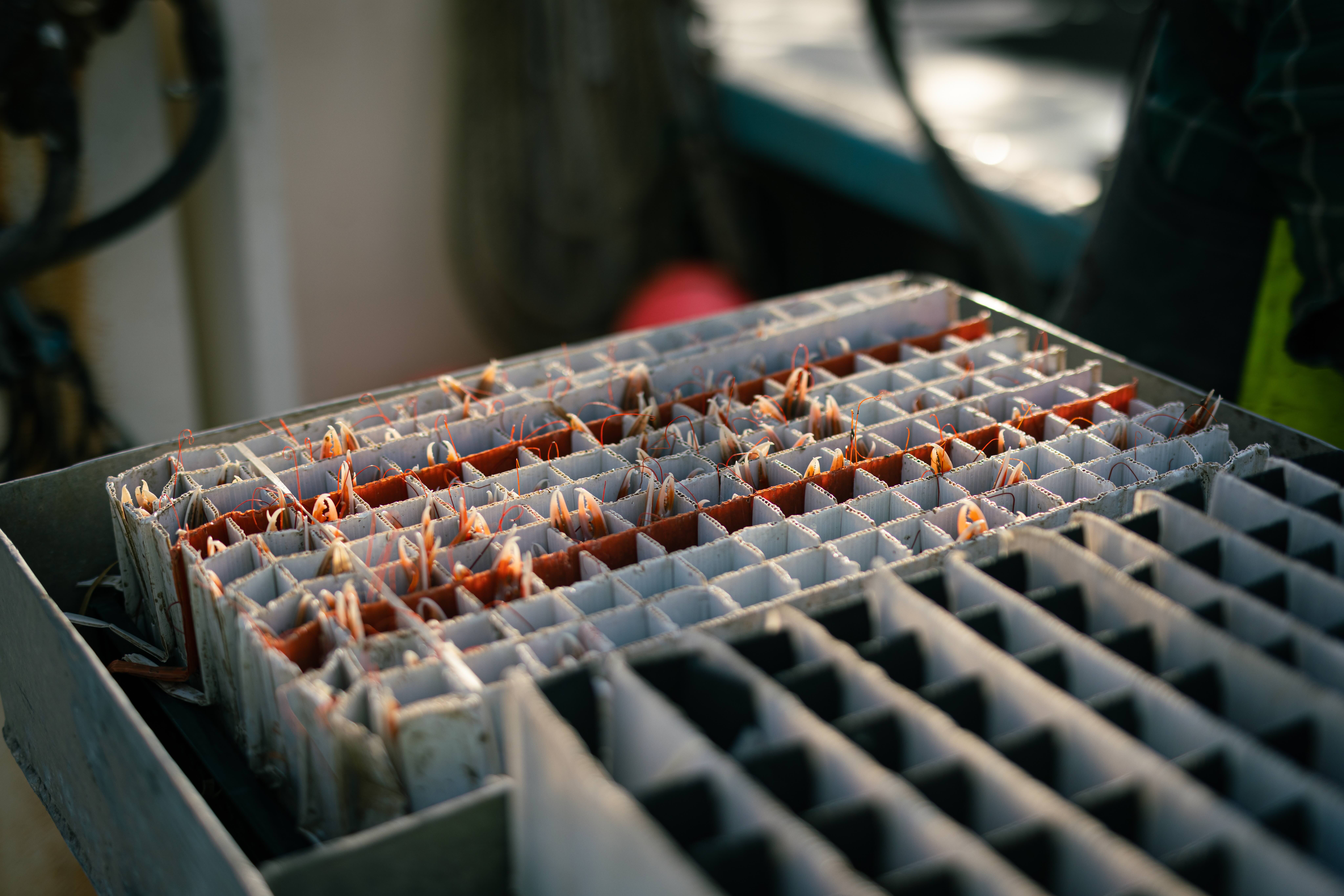
So, what does sustainable fishing really look like?
“From the point of view of your target species, fishing should be managed so you don’t get a substantial decline in catch per unit of effort. Ideally, you only want to take the cream off the top so you have a dent in the population, but next year the population is back to where it started. Arguably, you should be able to do that ad infinitum, assuming that you’re always pitching the amount that you catch correctly.
“The other thing to consider is non-target species. Just because the amount of prawns you’re catching every year is the same, that doesn’t mean you’re not having an impact on whales, the seabed, maerl, seafans or other fragile flora and fauna. That’s the wider ecosystem impact.”
As Bally pointed out, all of this needs careful management. But he also encourages us to ask a different question: not “Is fishing sustainable”, but instead, “What is the best level this activity can happen at where you can ensure it’s sustainable?”
Wondering what you can do to help encourage more sustainable fishing practices where you are? Bally has some advice:
Ask where your seafood comes from and do your best to purchase sustainably sourced seafood.
“If you’re in a restaurant and you fancy scallops, ask if they’re hand dived. If you’re having prawns, ask if they’re creel caught. Even if the restaurant doesn’t have the option you want, at least the chef will understand people are prioritising this sort of thing and, in time, that will help shift the goalposts.”